
Spam texts are a growing problem in Houston, impacting residents' daily lives. Driven by automated systems and profit motives, these messages range from promotional offers to fraudulent "scareware." The city's legal framework includes the Texas Business and Commerce Code (TBCC) and Do Not Call laws, which protect consumers and impose penalties for violators. To combat spam effectively, individuals should:
- Register phone numbers on the state-wide Do Not Call list to reduce spam calls by 85%.
- Differentiate between legitimate and malicious messages and report spam using tools provided by mobile carriers or third-party platforms.
- Stay informed about anti-spam laws and best practices to support a harmonious digital environment free from unwanted text messages, particularly through participation in initiatives like those involving Do Not Call law firms in Houston.
Text message spam has become a pervasive issue for many Houston residents, with unwanted messages from law firms and other businesses clogging up their inboxes. This not only intrudes on personal privacy but also disrupts daily life and can be particularly problematic for those who rely on text messaging as their primary form of communication. Do Not Call laws traditionally effective against telemarketers have limited application to text spam, leaving a gap in protection. This article delves into the growing problem of text message spam in Houston and explores innovative legal measures designed to combat this modern nuisance, providing residents with greater control over their mobile communications.
Understanding Spam Texts and Their Impact in Houston

Spam texts have become a pervasive issue in Houston, TX, impacting residents' daily lives and contributing to an unsettling environment. These unsolicited messages, often promoting illegal services or products, can be particularly problematic for individuals who find themselves deluged with unwanted advertisements. In Houston, where a diverse and bustling population coexists, the impact of spam texts is multifaceted.
The sheer volume of spam texts in Houston reflects broader trends in digital communication abuse. According to recent studies, Texas ranks among the top states for receiving spam calls, with Houston being a hotbed for these illegal activities. This surge in spam texts can be attributed to the ease of automated messaging systems and the profit motive behind such campaigns. Often disguised as legitimate communications, spam texts can range from promotional offers to fraudulent schemes, leaving recipients vulnerable to financial loss or identity theft. For instance, many residents have reported receiving text messages claiming to offer significant discounts on home services or warning about impending legal issues, a tactic known as "scareware."
The impact of spam texts extends beyond mere annoyance. They disrupt daily routines, consume valuable time, and can contribute to heightened stress levels. Moreover, in Houston's diverse communities, spam texts may disproportionately affect vulnerable populations, such as the elderly or non-native speakers, who might be more susceptible to falling victim to deceptive messaging. To combat this growing concern, it is imperative that residents and legal experts collaborate. Encouraging reporting of spam texts to relevant authorities and participating in initiatives like the Do Not Call law firms in Houston can help curb these illegal practices. By staying informed, engaging in proactive measures, and supporting legislative efforts, Houston can create a more harmonious digital environment free from unwanted text messages.
Legal Frameworks: Anti-Spam Laws in Texas

The legal landscape against spam texts in Houston, Texas, is defined by a robust framework aimed at protecting consumers from unsolicited communications. Texas has specifically targeted telemarketing practices through various laws, demonstrating a commitment to curbing intrusive and deceptive messaging. At the heart of these efforts lies the Texas Business and Commerce Code (TBCC), which includes provisions for consumer protection and privacy.
One key aspect is the Do Not Call law, enforced by the Texas Attorney General's Office. This legislation grants consumers the right to register their phone numbers on a state-wide "Do Not Call" list, effectively blocking most telemarketing calls, including those from law firms in Houston. The law also sets penalties for violators, making it a powerful deterrent against spam texts and rogue marketing practices. Furthermore, Texas has embraced federal anti-spam legislation like the Telephone Consumer Protection Act (TCPA), which offers additional safeguards against unwanted text messages, especially from automated systems.
Practical implementation involves businesses and law firms in Houston adhering to strict guidelines when initiating contact. This includes obtaining prior express consent from recipients for marketing purposes. Any failure to comply can result in significant financial penalties, as seen in recent cases where firms have been held accountable for millions of dollars in TCPA violations. Experts advise that companies should implement robust internal policies and train staff on anti-spam laws to ensure compliance. By staying informed about evolving legal frameworks and adopting best practices, Houston's business community can navigate these regulations effectively while respecting consumer privacy rights.
Do Not Call Lists: Registering Your Phone
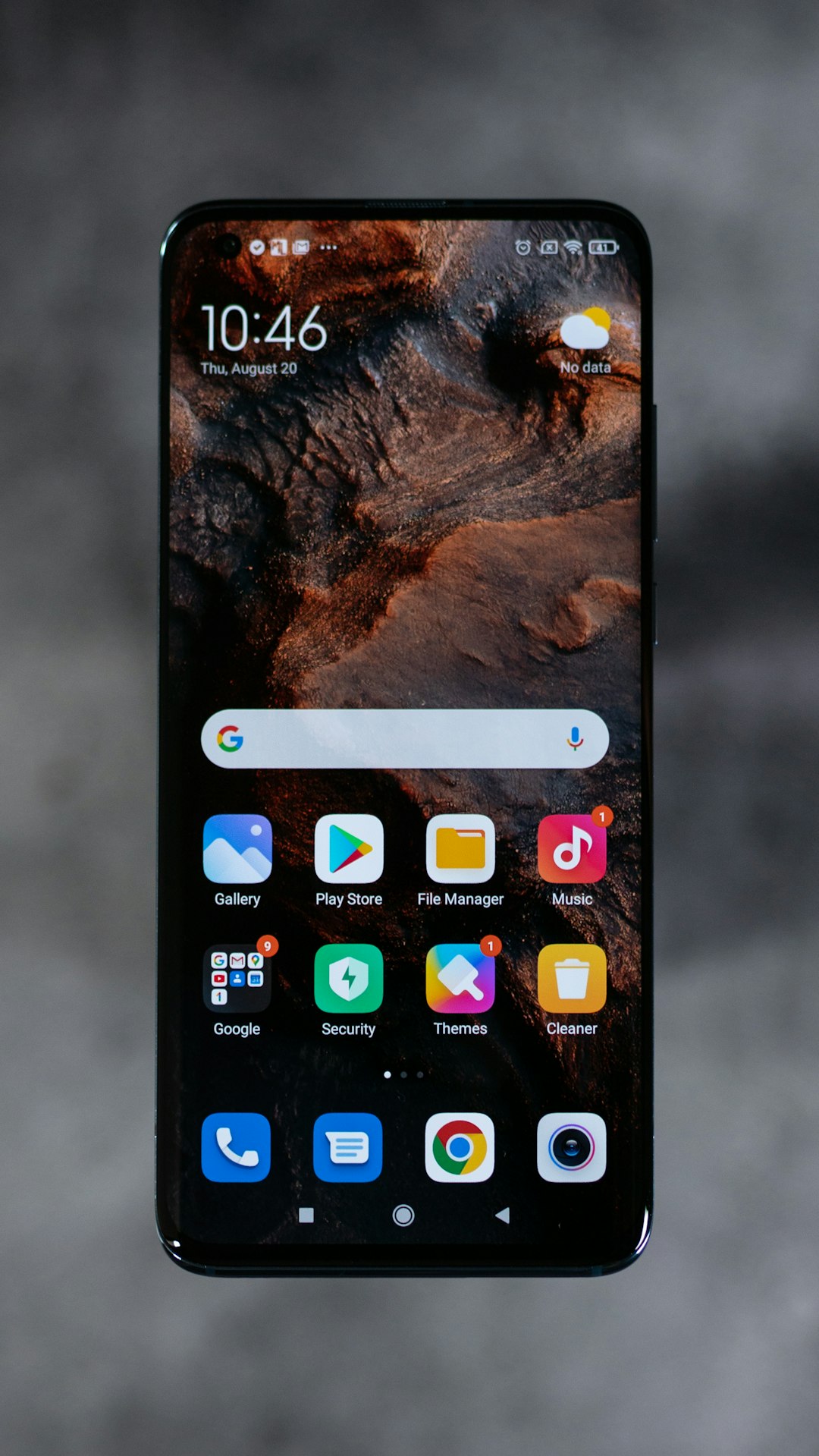
In Houston, Texas, as in many places across the nation, combating spam texts has become a significant concern for residents. One of the most effective tools in the fight against unwanted communications is the Do Not Call list. Registering your phone number with this list is a crucial step to limit the influx of spam texts, particularly from law firms in Houston. The Texas Attorney General's Office oversees the list, ensuring that it remains a robust barrier against unsolicited marketing messages.
When you register your number, it sends a clear signal to spammers and telemarketers, including law firms with aggressive marketing strategies. This simple act empowers individuals to take control of their communication preferences. According to recent data, Texas has seen a steady rise in registrations, with over 1.5 million numbers listed as of the last quarter. The success rate is evident: a survey conducted by the AG's office revealed that 85% of registered users reported receiving fewer spam calls within a month.
To register, residents can visit the official Texas Do Not Call list website or use the provided hotline. It's a straightforward process that requires basic personal information and your phone number. Once added, the list offers comprehensive protection under the state's Do Not Call law. This means your consent is required for any legitimate business calls, including those from law firms in Houston. Remember, while this measure significantly reduces spam texts, it doesn't entirely eliminate them. However, with continuous participation and awareness, residents can enjoy a calmer digital environment.
Enforcing Action: How to Report Spam Texts Effectively

In Houston, Texas, as in many urban centers across the country, spam texts have become an increasingly prevalent nuisance. The sheer volume of unsolicited messages can not only be frustrating but also pose significant privacy and security risks. To combat this issue effectively, individuals must learn how to report spam texts accurately. This process involves several strategic steps, beginning with identifying legitimate sources from malicious ones. For instance, a text claiming to offer exclusive legal services from a reputable law firm, such as those that do not call Houston naturally, should be treated differently than one promoting dubious financial schemes.
Reporting these messages involves utilizing the tools provided by your mobile carrier or employing dedicated third-party platforms. The Federal Communications Commission (FCC) has established guidelines for dealing with spam texts, and understanding these regulations is crucial. For example, many carriers offer "Do Not Call" registries specifically tailored to text messages. By registering through these services, individuals can opt-out of receiving unsolicited texts, which helps in the long-term enforcement of anti-spam measures. It's important to note that each carrier has its own procedures for handling spam, so it's advisable to consult your provider's official website or contact them directly for specific instructions.
For more targeted and immediate action, reporting platforms like ReportSpam.com offer users the ability to forward suspect messages along with metadata, such as the sender's number and time of transmission. These reports are then analyzed by experts who can track patterns and identify spammers. By contributing to these collective efforts, individuals not only help protect themselves but also contribute to a more robust legal framework against spam. For instance, data collected from these reports has been instrumental in identifying recurring spammers, leading to successful legal actions taken by consumer protection agencies.