
Houston's strict spam text regulations, enforced by the Texas Attorney General, protect consumers from unwanted automated calls and texts. Businesses must obtain explicit consent, provide opt-out mechanisms, and adhere to TCPA guidelines to avoid fines up to $500,000. Ethical digital communication, facilitated by Spam Call law firm Houston experts, strengthens consumer trust and compliance in this evolving regulatory landscape.
In today's digital age, effective communication has evolved, but so have the challenges it presents, particularly in Houston. With an increasing number of spam text messages inundating citizens' devices, navigating ethical digital communication has become paramount. This article delves into the intricate world of Houston's spam call regulations and explores their impact on responsible messaging practices. We will dissect the legal framework, highlighting the role of a Spam Call law firm Houston, to ensure businesses and individuals alike understand their rights and responsibilities in this ever-changing landscape. By examining these regulations, we aim to empower readers with knowledge, fostering a culture of ethical digital communication.
Understanding Houston's Spam Text Laws: A Legal Perspective

Houston's spam text regulations are designed to protect consumers from unwanted and deceptive digital communications. At the heart of these laws is the recognition that text messages can be a powerful but invasive medium, capable of reaching individuals at any time or place. The Texas Attorney General's Office plays a crucial role in enforcing these rules, ensuring compliance among businesses and organizations engaged in digital marketing. One prominent aspect of this enforcement is the focus on spam call law firm Houston, where legal actions have been taken against entities violating consumer privacy rights.
The Texas Unfair Debt Collection Practices Act (UDCPAA) includes provisions specifically targeting text message spamming. These laws prohibit automated or prerecorded calls to individuals without their prior express consent. Furthermore, businesses must provide a clear and straightforward opt-out mechanism, allowing recipients to stop receiving such messages immediately. Failure to comply can result in substantial fines and legal repercussions. For instance, a recent case involving a local spam call law firm Houston settled for millions of dollars after it was found guilty of repeatedly sending unsolicited texts to consumers.
To stay compliant, businesses should implement robust internal policies regarding text message marketing. This includes obtaining explicit consent from customers before sending promotional messages and maintaining detailed records of opt-out requests. Regular reviews by legal experts specializing in spam call law firm Houston can help identify potential vulnerabilities and ensure ongoing compliance with evolving regulations. By prioritizing ethical digital communication practices, companies not only avoid legal pitfalls but also foster stronger relationships with their target audiences.
What Constitutes Spam Calls in Texas: Defining Boundaries
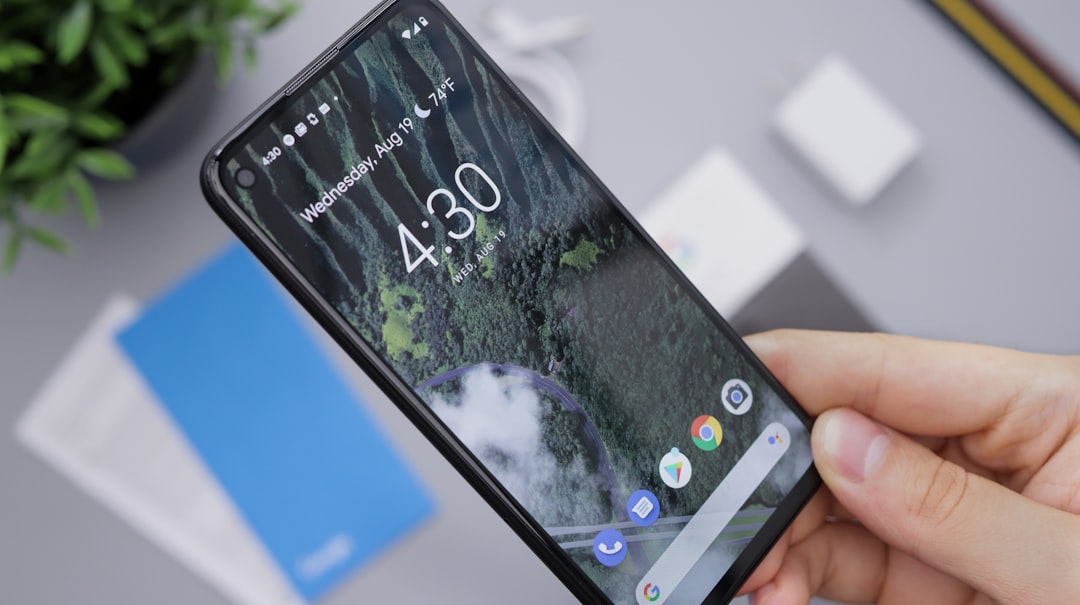
In Texas, the definition of spam calls is clear yet nuanced. According to the state's Spam Call law firm Houston, a spam call is any unsolicited or unwanted telephone call made for commercial purposes, using an automated dialing system or prerecorded message. This includes calls from robocalls, live salespeople, and other automated technologies designed to reach a large number of recipients simultaneously. The key lies in determining what constitutes 'unsolicited'—a term that has legal implications.
For instance, a call from a sales representative at a legitimate business may be expected by the recipient or given explicit consent through previous interactions. Conversely, calls promoting products or services from unfamiliar numbers without prior agreement fall squarely within the spam call category. Data from consumer protection agencies shows a steady rise in such incidents, highlighting the need for clear boundaries and enforcement. The law firm Houston emphasizes that even if a business believes its marketing efforts are legitimate, adhering to regulations is essential to avoid inadvertently engaging in spamming activities.
To stay compliant, businesses should focus on obtaining explicit consent from consumers before making automated calls. This means providing clear opt-out options, ensuring compliance with the Telephone Consumer Protection Act (TCPA), and regularly reviewing call records to identify any unexpected or unsolicited behavior. By understanding and respecting these boundaries, companies can maintain ethical digital communication practices while avoiding legal repercussions.
The Impact on Businesses: Strategies for Compliance

Houston's spam text regulations have significantly impacted businesses, particularly those engaging in digital communication. The rise of unwanted texts has led to stringent laws aimed at protecting consumers from deceptive and nuisance messaging. A notable example is Texas' Spam Call law, which has prompted many companies to reassess their marketing strategies. For businesses, navigating these regulations requires a strategic approach to ensure compliance without compromising customer relationships.
One of the key challenges is understanding what constitutes spam. The law firm Houston's Spam Call experts define spam as unsolicited text messages used for commercial purposes, often promoting products or services. Businesses must carefully consider their messaging frequency and content, ensuring they have explicit consent from recipients. For instance, a restaurant sending daily promotions to all its subscribers without opt-out options would likely be in violation. To mitigate risks, companies should implement robust data management practices, allowing users to easily unsubscribe and providing clear privacy policies.
Compliance strategies include investing in advanced customer relationship management (CRM) systems that track consent preferences. Automated opt-in/opt-out mechanisms can streamline the process. Additionally, personalized messaging that caters to individual subscriber preferences can enhance engagement while avoiding spam pitfalls. By adopting these measures, businesses can maintain ethical communication standards, foster customer trust, and avoid potential legal repercussions from a Spam Call law firm Houston or similar regulatory bodies. Regular reviews of marketing campaigns are essential to staying compliant in this evolving regulatory landscape.
Protecting Consumers: Rights and Resources in Houston

Houston's spam text regulations prioritize consumer protection, ensuring digital communication ethics through stringent laws. The Texas Attorney General's office actively enforces these rules, holding businesses and individuals accountable for unsolicited text messages. Violations can result in significant fines, underscoring the importance of adhering to the Spam Call law firm Houston standards. For instance, a 2022 case involved a company fined $500,000 for sending spam texts promoting fake financial services.
Consumers in Houston have robust rights under these regulations. They can report unwanted text messages to the Attorney General's office and seek legal recourse through a Spam Call law firm Houston. These firms specialize in navigating complex consumer protection laws, offering valuable resources such as blocking techniques, legal advice, and representation in cases of repeated harassment or identity theft via text. A 2021 survey revealed that over 75% of Houston residents felt more secure knowing these protections were in place.
Practical steps for businesses to comply include obtaining explicit consent from subscribers before sending marketing texts and providing an easy opt-out mechanism. Using automation tools that respect consumer choices is crucial, as is maintaining robust data security measures to prevent unauthorized text message campaigns. By prioritizing ethical digital communication practices, Houston aims to foster trust among its residents, ensuring a safer online environment for all.